?
Category: Uncategorized
80%+ (est) of crypto use cases are still speculation

It doesn’t take money to make money…
…but it sure as hell makes it go faster.
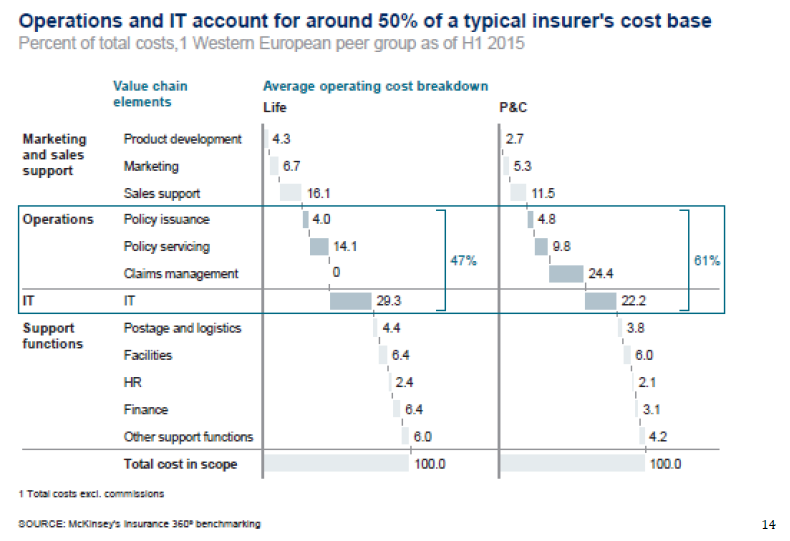
Cost inefficiencies in Insurance
One for the archives: Top 50 blockchain companies at start of 2022
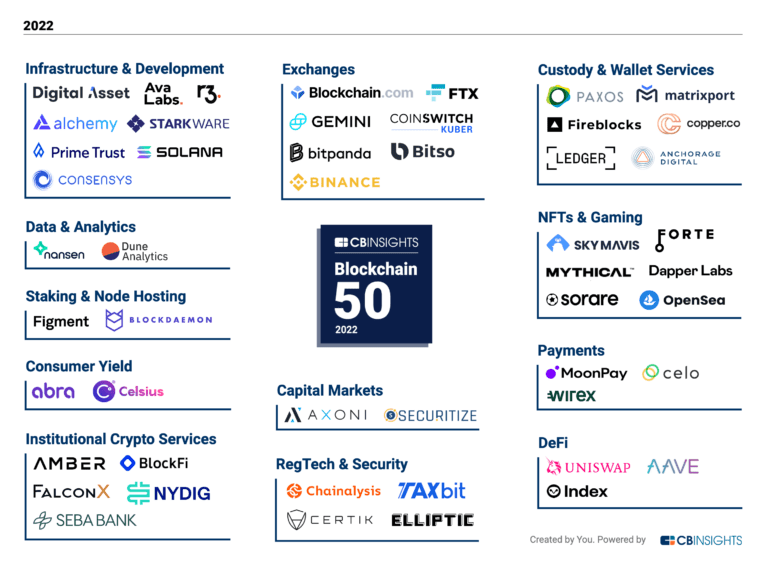
Where’s crypto.com and coinbase on here?
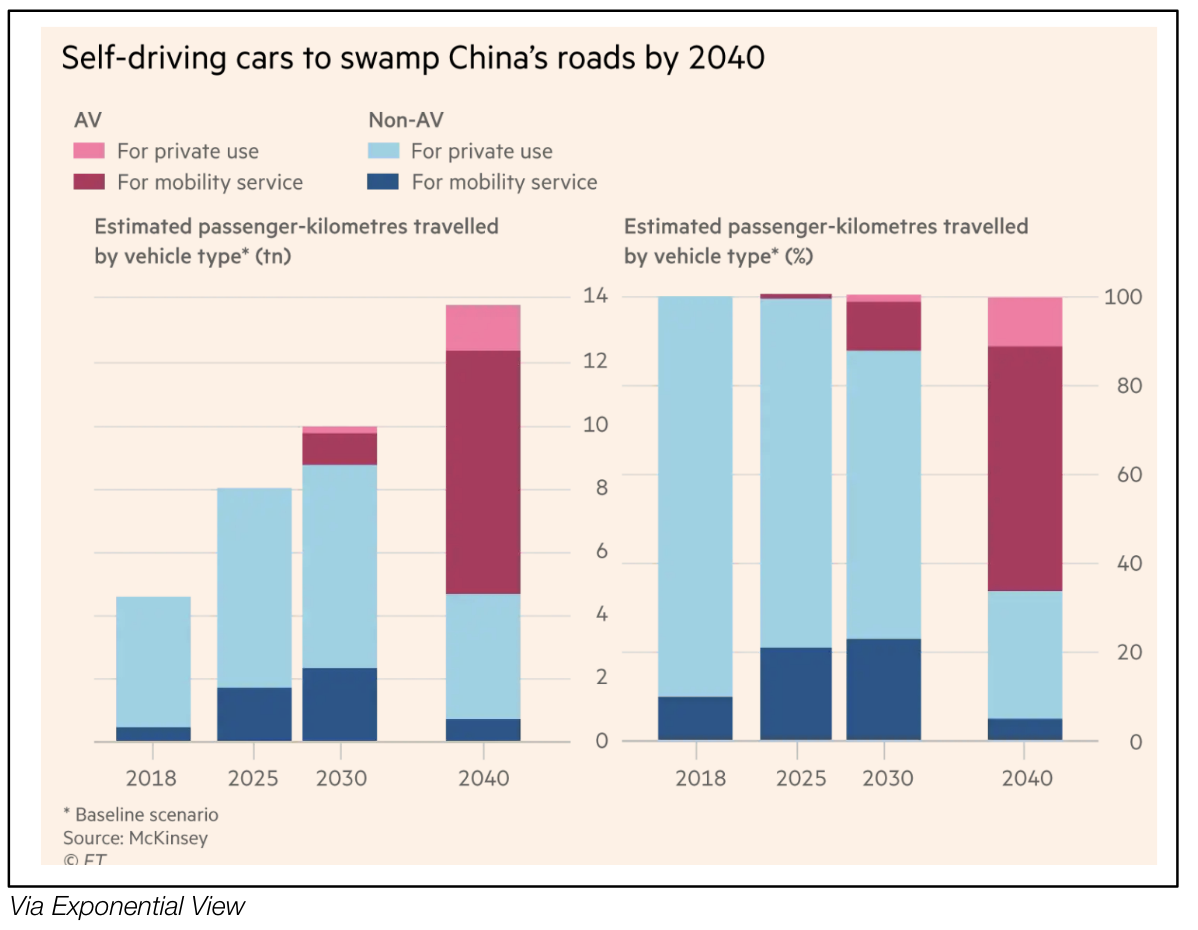
Autonomous vehicles
Start-Up Founder Compensation Survey

The power of 1
“Think of many things. Do one.”
Source: Cassell’s Book Of Quotations, Proverbs And Household Words
Double your perceived intelligence in an hour
“You can’t double your intelligence in one hour, but you can use one hour to write something twice as clear. And ideas that are easy to read and easy to understand will make you seem smarter. The better you communicate, the more intelligent you appear.”
James Clear – atomic habits
Payments are eating the world
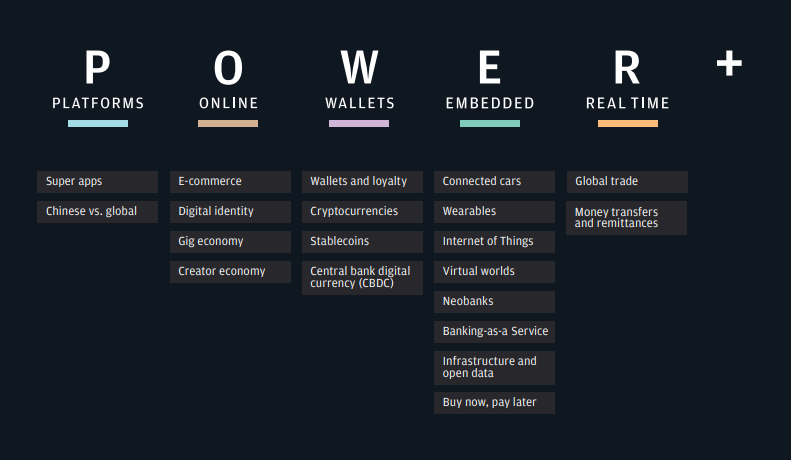
An average adult has 80 apps on their phone in total but only uses about nine on a daily
basis.
Clearly, customers are drawn to the idea of a one-stop shop, which gathers up and organizes the best features of all their apps — like an operating system for their life
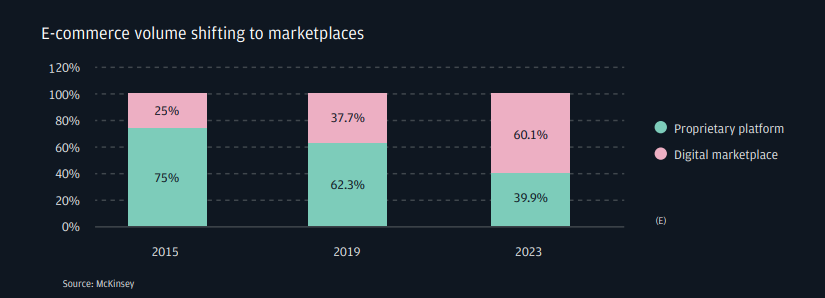
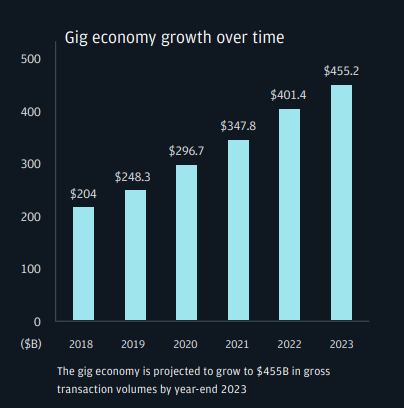
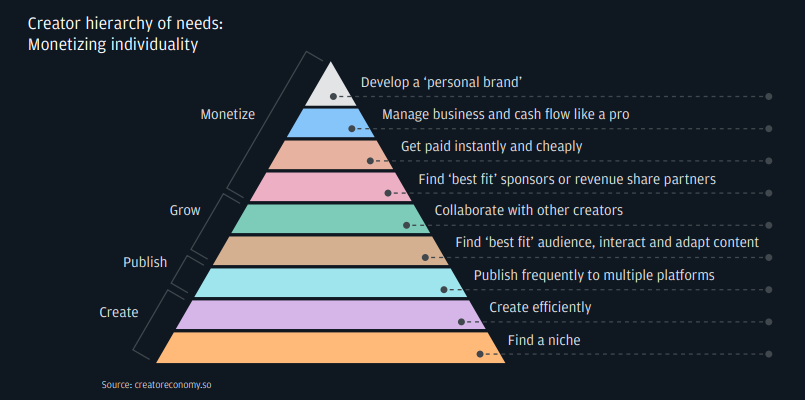
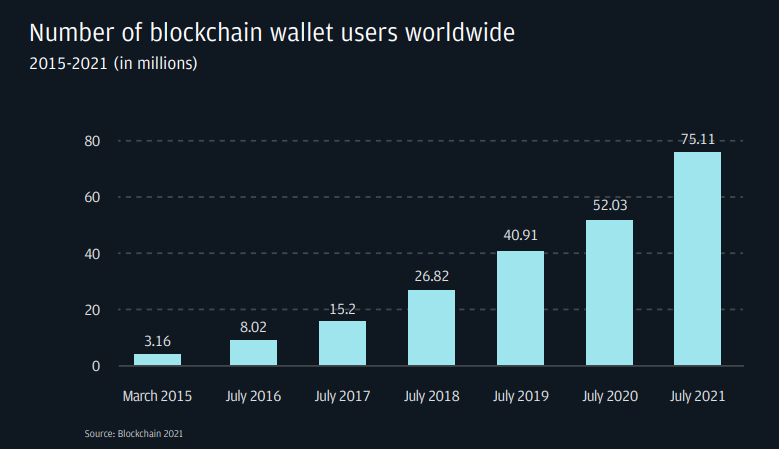
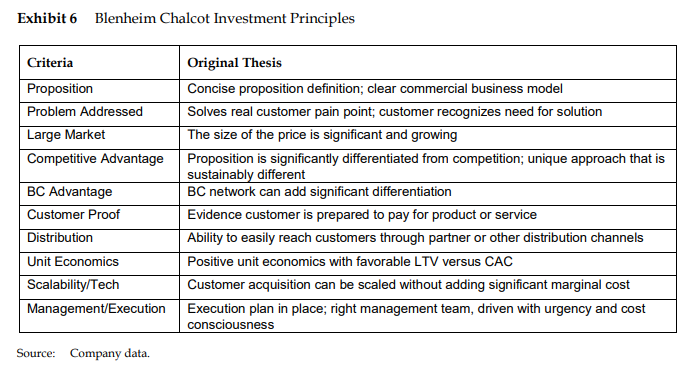
Venture Builder Investment Principles
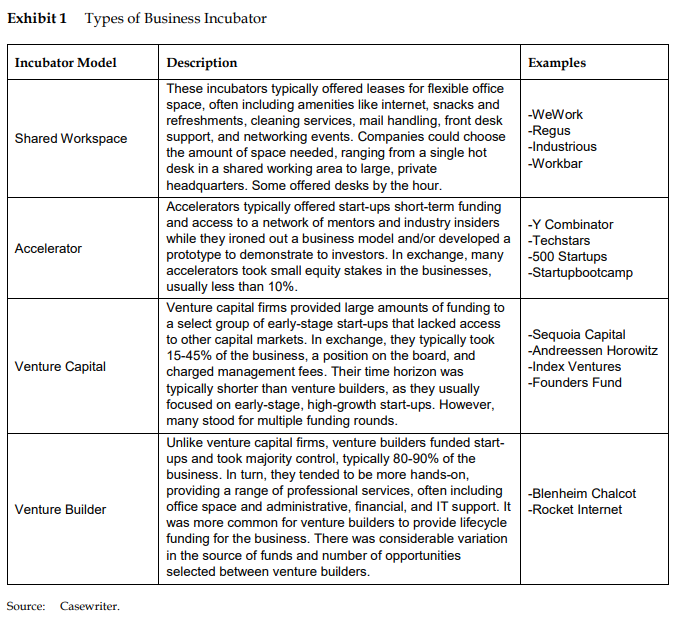
Different startup investment models
Talking about crypto
Podcast by Benedict Evans – explaining where crypto came from and how to think about it
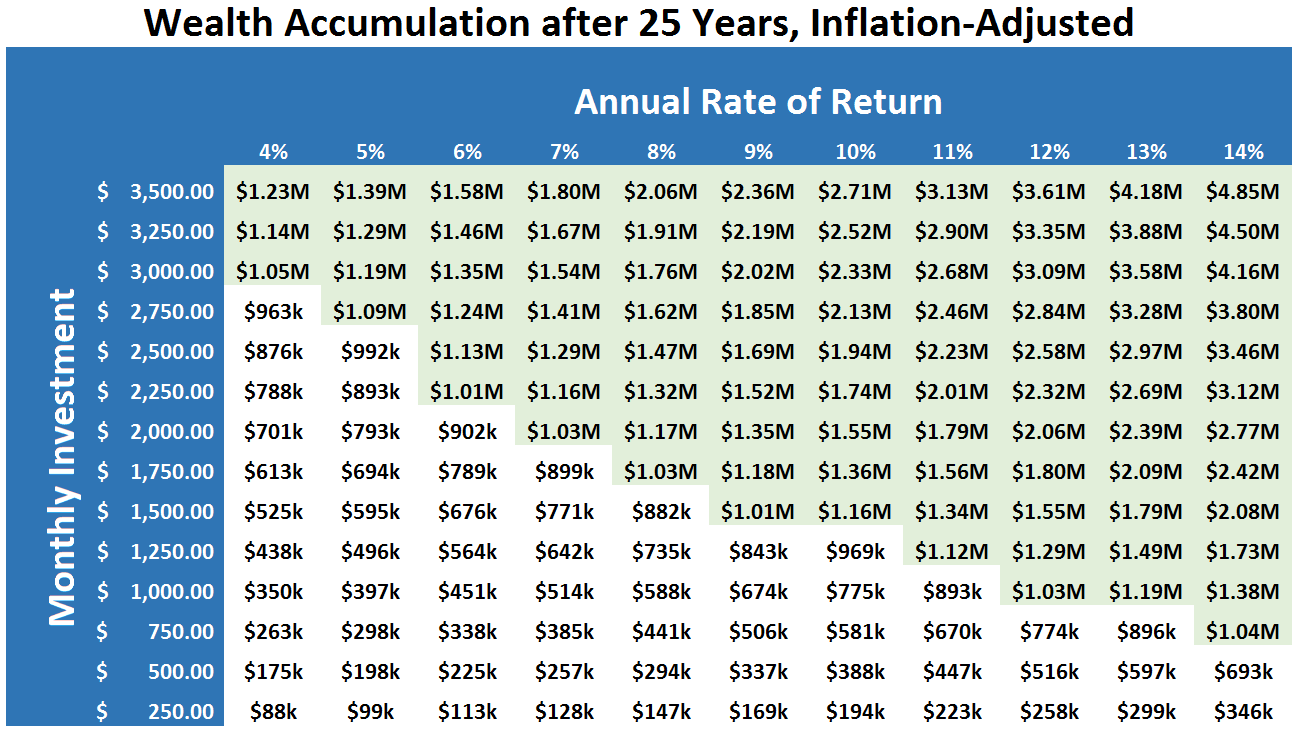
Get rich slowly (but surely)
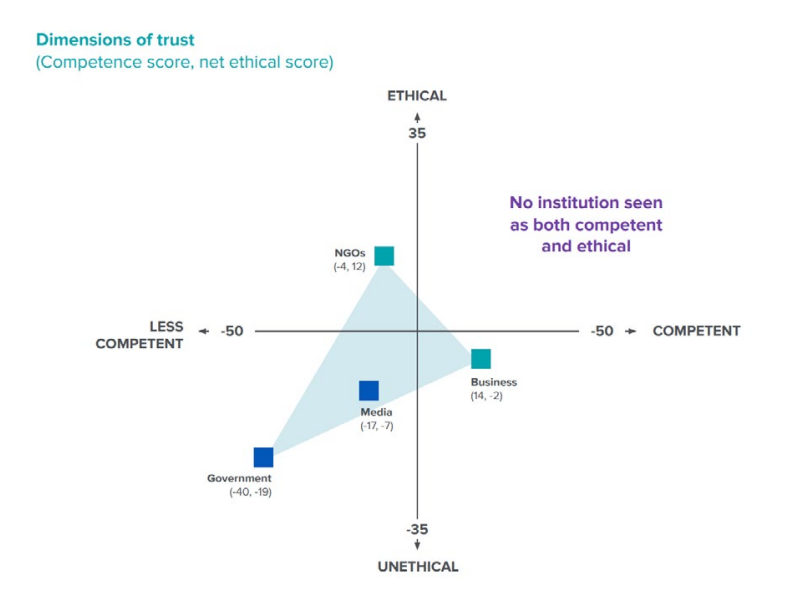
Loss of trust
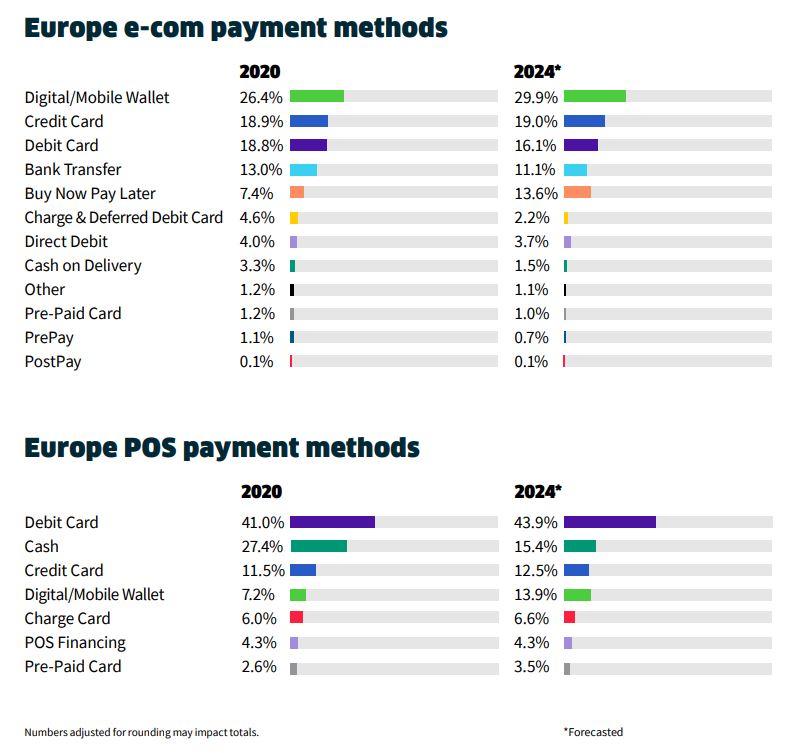
How people pay
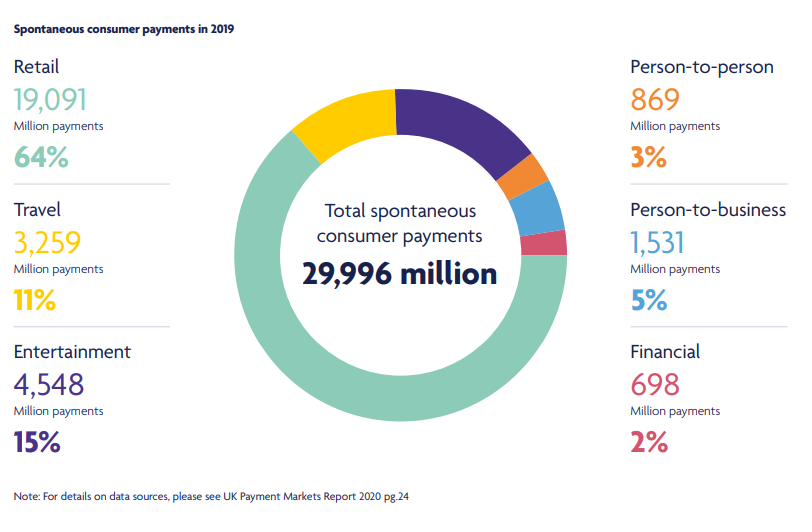
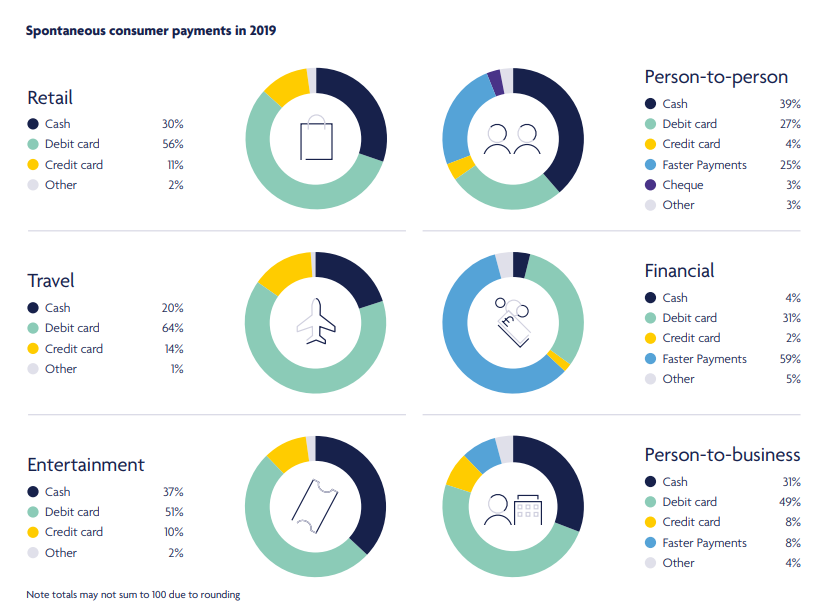
Global vs Euro vs APAC payment trends


Three criteria of a successful Investor
I am constantly looking for amazing founders who are leading meaningful businesses that I think will be very financially successful.
Chris Adelsbach
UX review of Cash app

Web3 = payment renaissance
The attention economy and the internet’s original sin
At the heart of the story of how the internet broke the media business model is the simple fact that the internet was not built to facilitate the flow of money. Payments weren’t built into the internet’s infrastructure—it was considered too risky. Marc Andreessen called this “the original sin of the internet.”
The lack of payment infrastructure is the reason why so much of the internet is monetized via advertising. Rather than requiring users to pull out a credit card and type their information into a website, users could be monetized frictionlessly and indirectly, paying not with their money but with a different asset: their attention. That precipitated a shift in power from the old gatekeepers of media who controlled content creation and distribution—the publishers, record labels, and movie studios—to those who amassed consumer attention at scale.
Source: https://li.substack.com/p/the-web3-renaissance-a-golden-age
 First princples
You must be logged in to post a comment.